RPM Calculator
Calculate engine RPM, vehicle speed, gear ratios, and tire sizes instantly. Built for mechanics, engineers, and automotive enthusiasts.
Engine RPM
Calculate engine RPM from vehicle speed, gear ratio, and tire size.
Vehicle Speed
Find your vehicle speed based on RPM, gear, and tire specifications.
Gear Ratios
Determine optimal gear ratios for performance or fuel efficiency.
Tire Calculator
Convert tire sizes and calculate circumference and diameter easily.
RPM & Speed Calculator
Select the calculation type and fill in the known values
Calculate Engine RPM
Enter vehicle speed, tire size, and gear ratio to find engine RPM.
Fill in the values and click Calculate
Formula Used:
RPM = (Speed × Gear Ratio × 336) ÷ Tire Diameter
Where speed is in mph and tire diameter in inches.
Calculate Vehicle Speed
Know your RPM? Find out how fast you're traveling.
Fill in the values and click Calculate
Formula Used:
Speed (mph) = (RPM × Tire Diameter) ÷ (Gear Ratio × 336)
Gear Ratio Calculator
Calculate gear ratios from tooth counts or find overall drive ratio.
Fill in the values and click Calculate
Formula Used:
Gear Ratio = Driven Teeth ÷ Drive Teeth
Overall = Trans Ratio × Axle Ratio
Tire Size Calculator
Convert standard tire sizing (e.g. 225/65R17) to diameter and circumference.
Enter your tire size above
Formula Used:
Sidewall = Width × (Aspect/100)
Diameter = (Sidewall × 2 / 25.4) + Rim
Pulley & Belt RPM Calculator
Calculate output RPM based on pulley sizes and input speed.
Fill in pulley details above
Formula Used:
Output RPM = Input RPM × (Drive Dia ÷ Driven Dia)
What is RPM?
RPM stands for Revolutions Per Minute — a unit of rotational speed that measures how many times a rotating object completes a full rotation in one minute.
In automotive applications, RPM refers to the rotational speed of the engine's crankshaft. Higher RPM generally means the engine is working harder, producing more power but also consuming more fuel.
Understanding RPM is critical for:
- Optimal gear shifting for fuel economy
- Diagnosing engine performance issues
- Calculating vehicle speed mathematically
- Matching components in belt/pulley systems
- Designing drivetrain and transmission systems

Common RPM Reference Table
Typical RPM values for various vehicles and engines
| Vehicle Type | Idle RPM | Normal Driving | Highway RPM | Redline |
|---|---|---|---|---|
| Passenger Car (4-cyl) | 600–800 | 1,500–3,000 | 2,000–3,500 | 6,000–7,500 |
| Passenger Car (V6/V8) | 600–900 | 1,200–2,500 | 1,800–3,000 | 5,500–7,000 |
| Sports Car | 800–1,000 | 2,000–4,000 | 3,000–5,000 | 7,000–9,000 |
| Diesel Truck | 600–750 | 1,200–2,000 | 1,500–2,500 | 3,500–4,500 |
| Motorcycle | 900–1,200 | 3,000–6,000 | 4,000–7,000 | 8,000–14,000 |
| Electric Motor | 0 | 1,000–5,000 | 5,000–10,000 | 15,000+ |
Who Uses Our Calculator?
Auto Mechanics
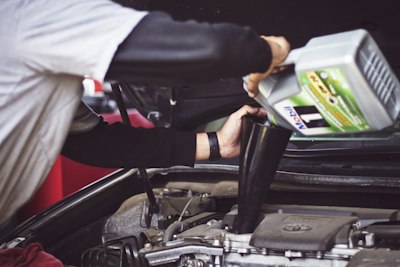
Diagnose drivability issues, verify speedometer calibration after tire changes, and calculate correct gear ratios.

Engineers & Designers
Design belt-pulley systems, motors, conveyors, and mechanical systems that require precise RPM calculations.
Car Enthusiasts
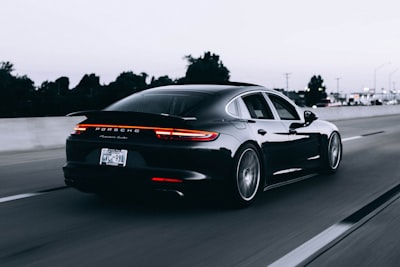
Plan performance upgrades, compare gear ratios, choose the right tire size, and optimize your build.
Frequently Asked Questions
The formula is: Speed (mph) = (RPM × Tire Diameter) ÷ (Gear Ratio × 336). This accounts for the tire's rolling circumference and the overall gear reduction in the drivetrain. The constant 336 comes from unit conversions (inches to miles, minutes to hours).
Use our Tire Size Calculator tab. Enter your tire code (e.g., 225/65R17) and it will calculate the exact outer diameter. Alternatively, you can measure the tire's overall diameter with a tape measure or use a tire size chart from the manufacturer.
For most passenger vehicles, the ideal highway cruising RPM is between 1,500–2,500 RPM. Staying in this range in the highest gear available typically provides the best fuel economy. Diesel engines prefer slightly lower, around 1,200–2,000 RPM. Sports cars may cruise comfortably higher.
Yes! Larger tires travel farther per revolution, so at the same speed your engine will run at a lower RPM. Smaller tires do the opposite — the engine must spin faster to maintain speed. This also affects speedometer accuracy if you change from the factory tire size.
In belt-drive systems, the speed ratio is inversely proportional to the pulley diameters: Output RPM = Input RPM × (Drive Diameter ÷ Driven Diameter). A smaller drive pulley with a larger driven pulley reduces speed but increases torque, while the reverse setup increases speed.